
High Desert Food Trail
ACCESSIBILITY EDITION
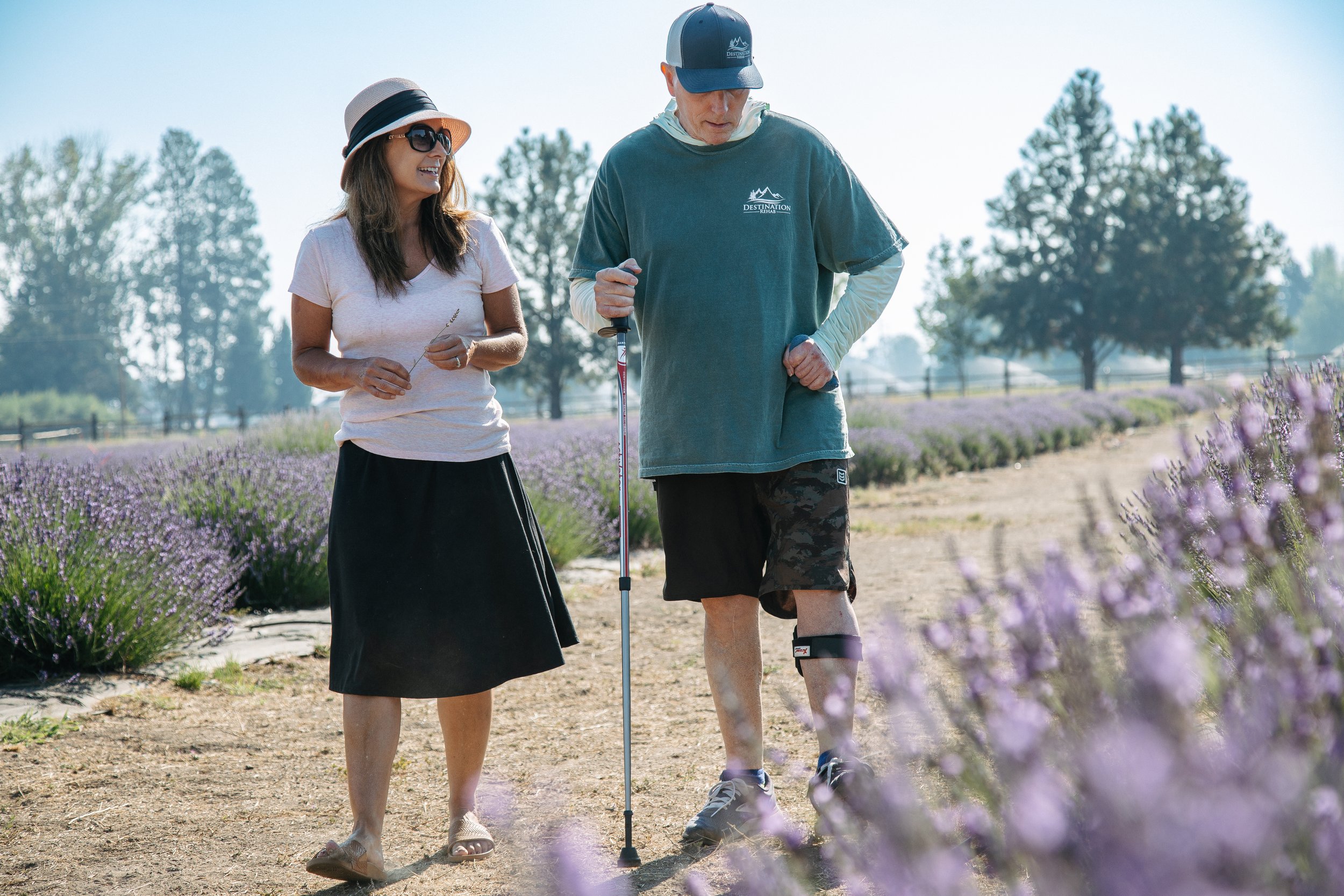
Maddie Phillips Photography
The High Desert Food Trail: Accessibility Edition is a program of High Desert Food & Farm Alliance. It is a self-guided adventure through Central Oregon, designed to be explored at your own pace, for visitors and locals alike to experience the culinary and agritourism opportunities that make this region unique. The trail includes 43 farms, ranches, food businesses, and accommodations, primarily highlighting businesses independently assessed by Wheel the World, and provides information to help visitors plan experiences that meet their individual access needs.
With stunning landscapes to marvel at, artisan offerings to feast on, resilient agriculture to experience, and community roots to immerse yourself in, there is something for everyone! This project was made possible through a grant from Visit Central Oregon.

How to Experience the Trail
-
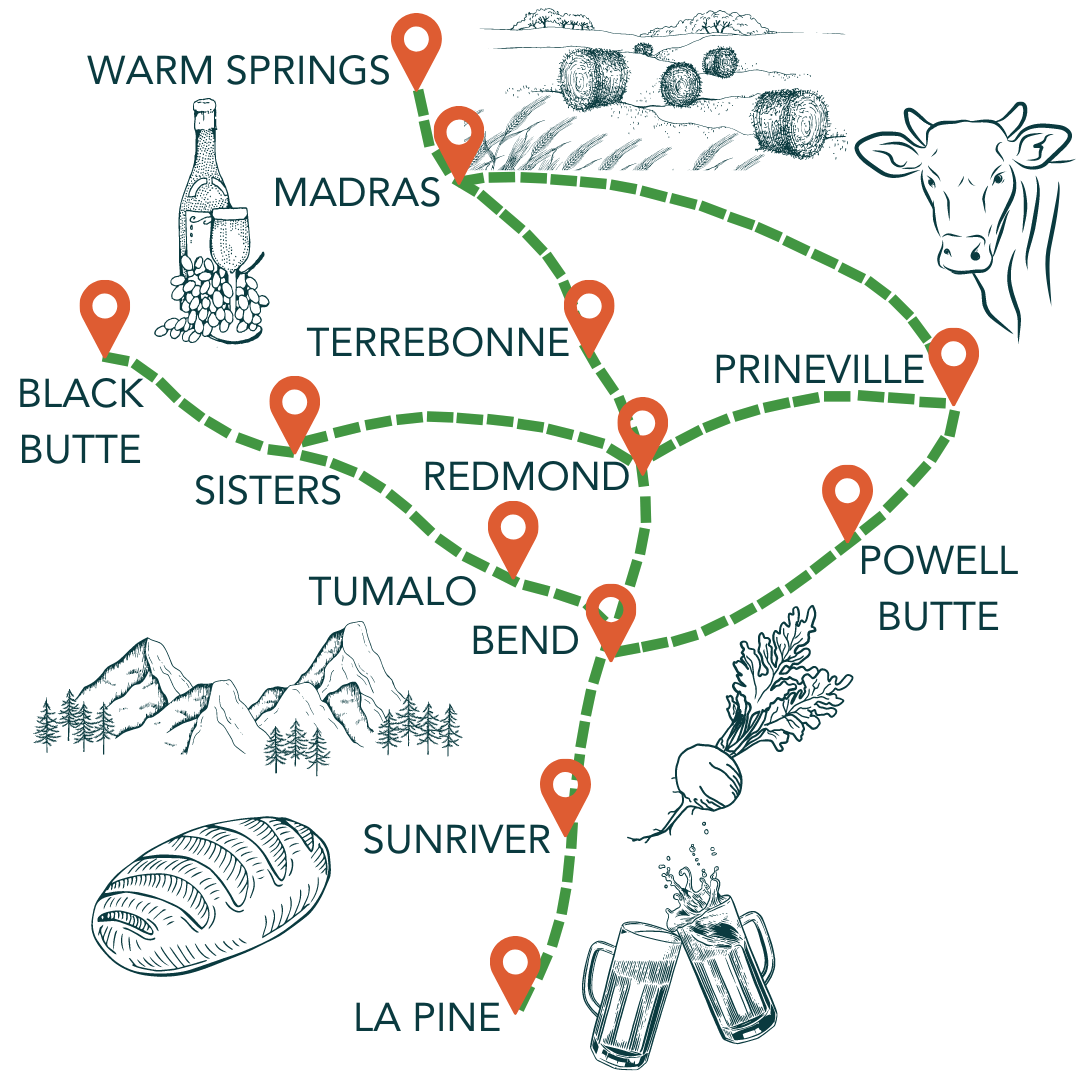
Experience these suggested accessible itineraries on the High Desert Food Trail, from High Desert Discoveries and Trails and Towns to Central Oregon Roots, and Mountain Views and Local Eats.
These itineraries are recommendations based on the accessibility information we've gathered, but every person's needs are different. We encourage you to do your own research and consider your own capabilities before setting out, as these suggestions may not be suitable for everyone. -
-
Accessibility Travel Tips
Below are some general travel tips to help you plan your day. You know your needs best—part of enjoying the High Desert Food Trail is feeling comfortable advocating for yourself along the way, whether that means asking questions, requesting accommodations, or adjusting your plans as the day unfolds. Before you head out, consider checking each business’s Wheel the World profile or website for current hours and accessibility details, since offerings can shift with the seasons.
General Travel Tips
Bring any mobility or adaptive equipment you might need
Bring medications, water, and snacks
Conserving Energy
Schedule demanding tasks for when your energy is highest
Build short rest breaks into your day
Alternate outdoor spaces with climate-controlled environments
Recognize early signs of fatigue instead of pushing through
Visit during less busy hours for reduced crowds and wait times
Have a backup plan in case your energy levels change
Managing Heat
Bring your own umbrella for personal shade
Keep instant ice packs in your car and bring ice water
Preventing Sensory Overload
Call ahead to find out about slower hours, or plan visits during off-peak times if you need a low-stimulation environment
Wear noise-reducing earplugs or noise-canceling headphones
Step outside or into a quieter area for a few minutes when needed
Wear sunglasses or a hat outdoors
Use tinted lenses if bright lighting is bothersome
Face away from flashing TVs or bright windows when seated

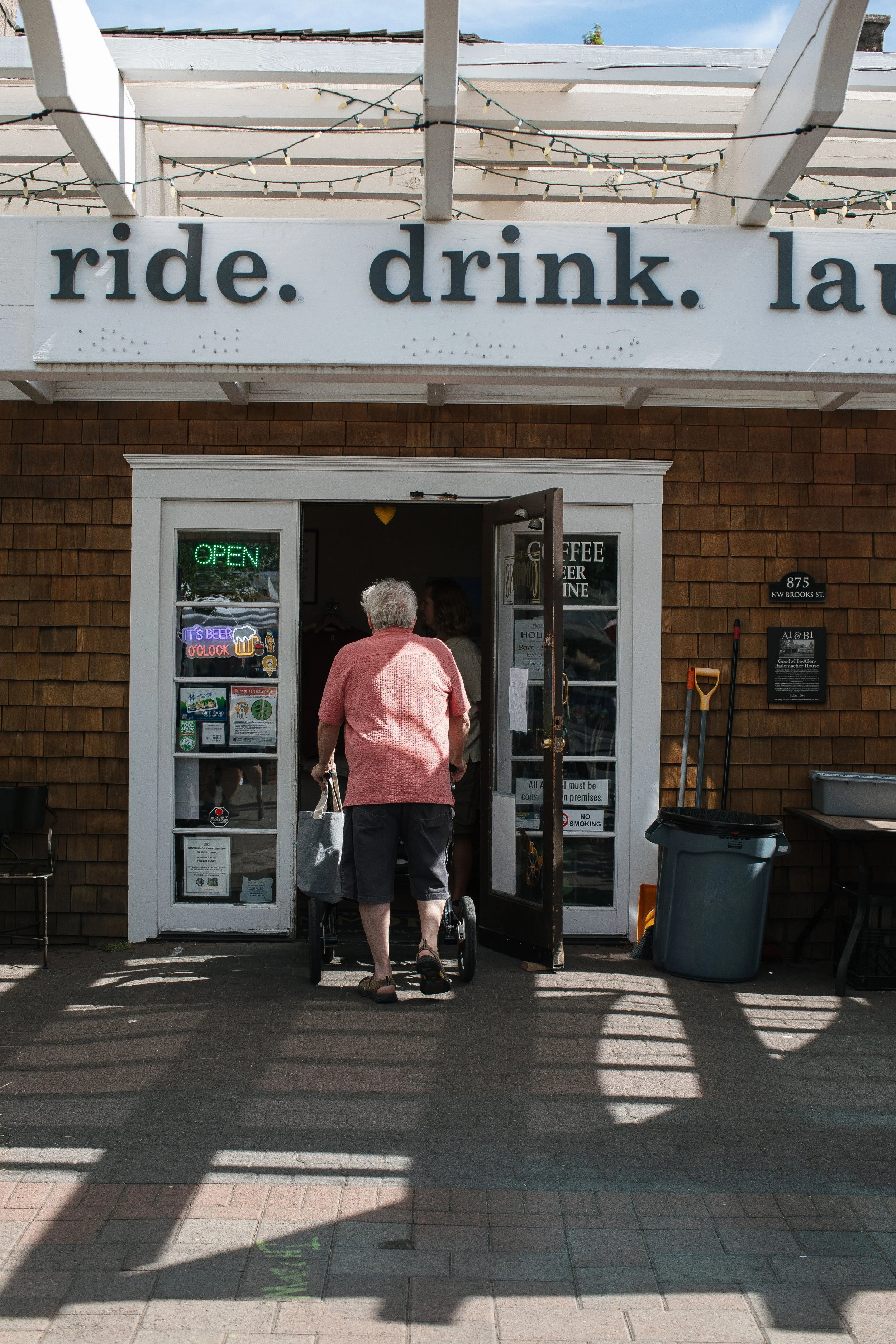
Maddie Phillips Photography