
Agricultural Support
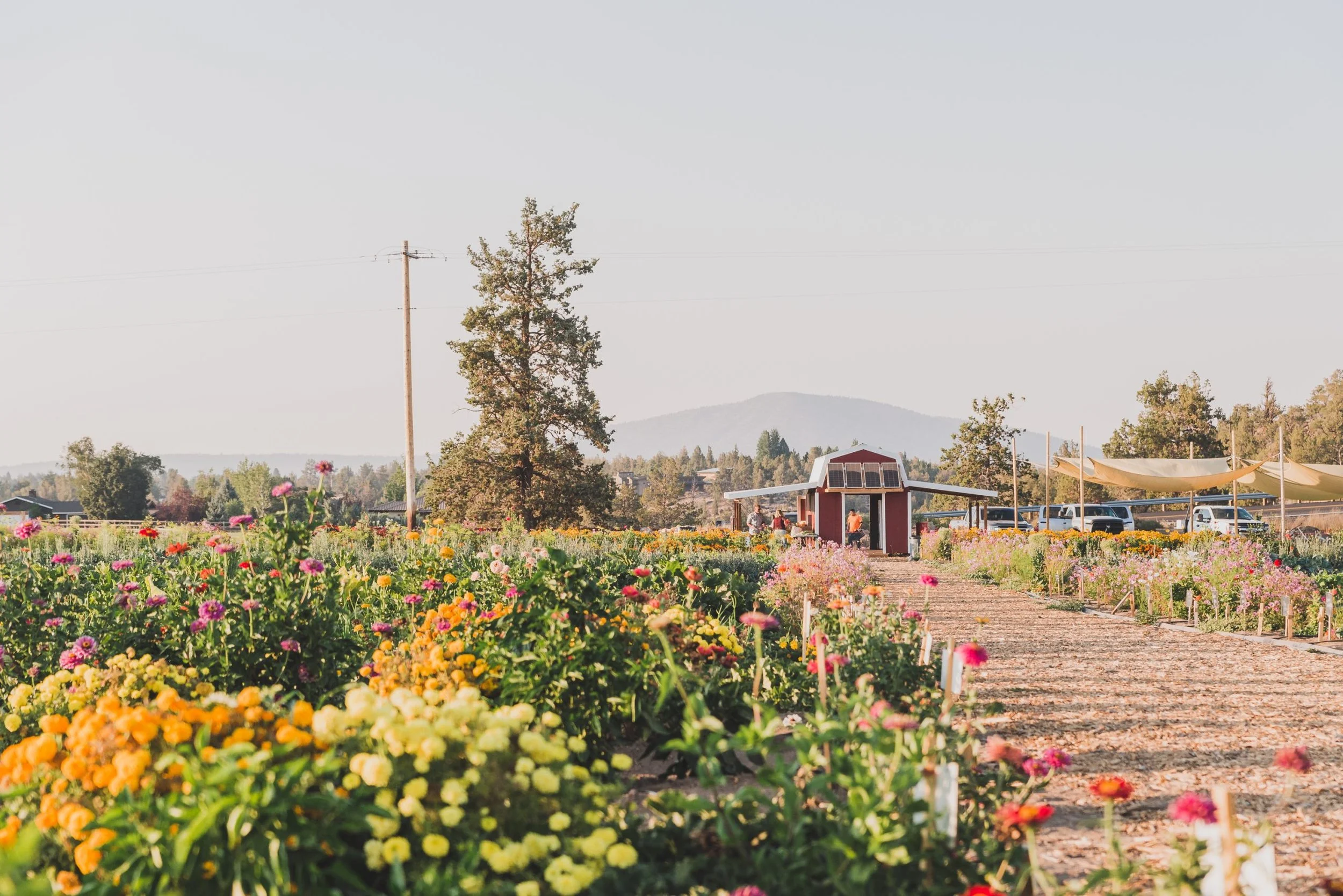
HDFFA’s Agricultural Support programs strengthen Central Oregon’s local food system by supporting farmers, ranchers, and food producers at every stage of their work. Through technical assistance, education, infrastructure support, and market access opportunities, we help agricultural businesses grow sustainably while increasing the availability of locally produced food for our community. By investing in the people who grow and raise our food, HDFFA advances economic resilience, environmental stewardship, and equitable food access across the region.
Projects Benefitting Regional Farmers & Ranchers
HDFFA’s Agricultural Support programming includes a diverse set of projects designed to meet the real-world needs of Central Oregon farmers and ranchers. These initiatives focus on strengthening farm viability, expanding market opportunities, and reducing barriers to success—particularly for small and mid-sized producers.
Our work includes farmer education and technical assistance, shared infrastructure and resources, and programs that connect producers to reliable, values-aligned markets. Through partnerships with local organizations, institutions, and community members, we help farmers and ranchers build resilient businesses while keeping food dollars circulating locally.
Together, these projects support a thriving regional agricultural economy and ensure that locally grown and raised food remains an accessible, dependable part of Central Oregon’s food system.
On-Farm Efficiency Grant
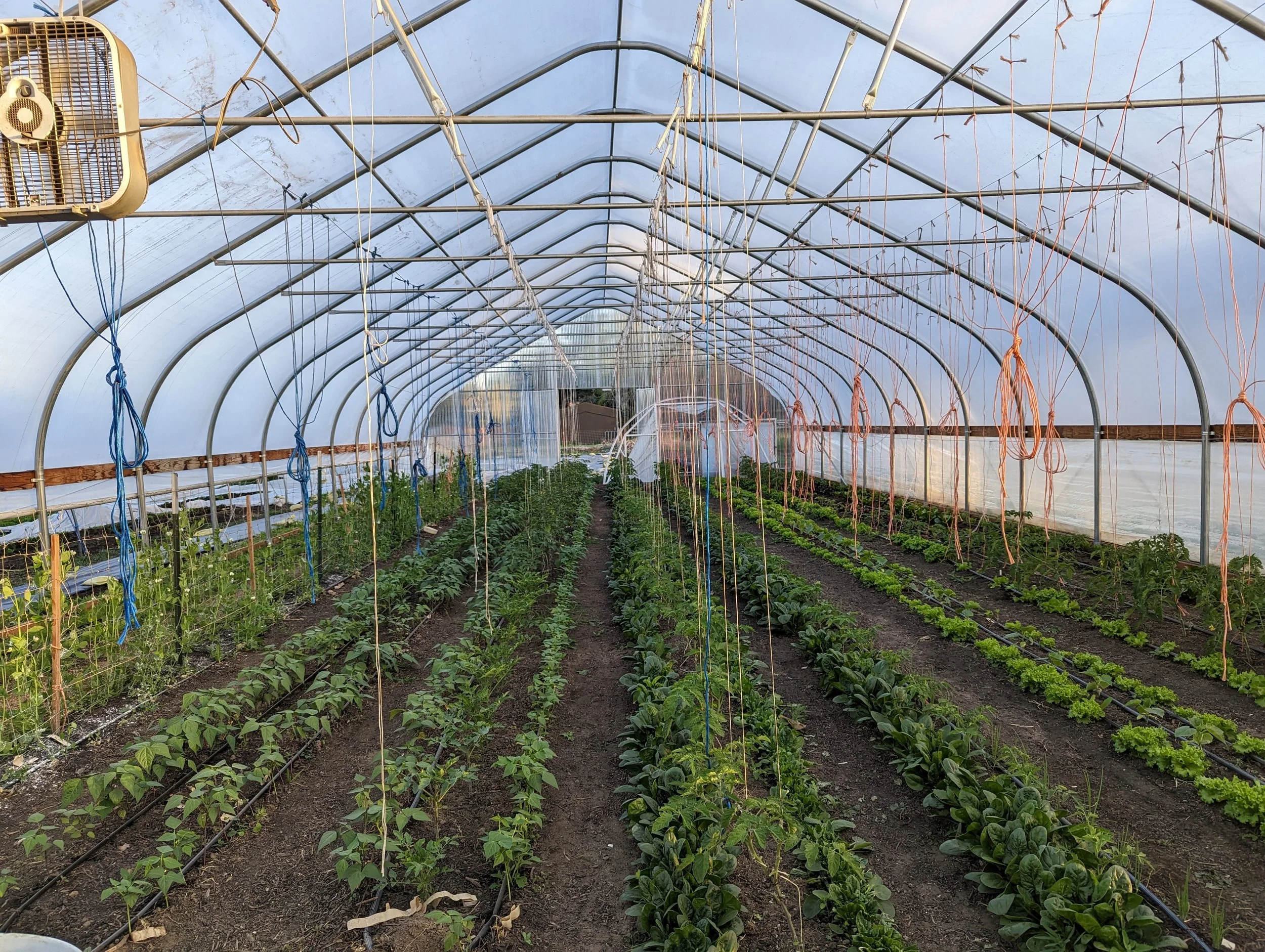
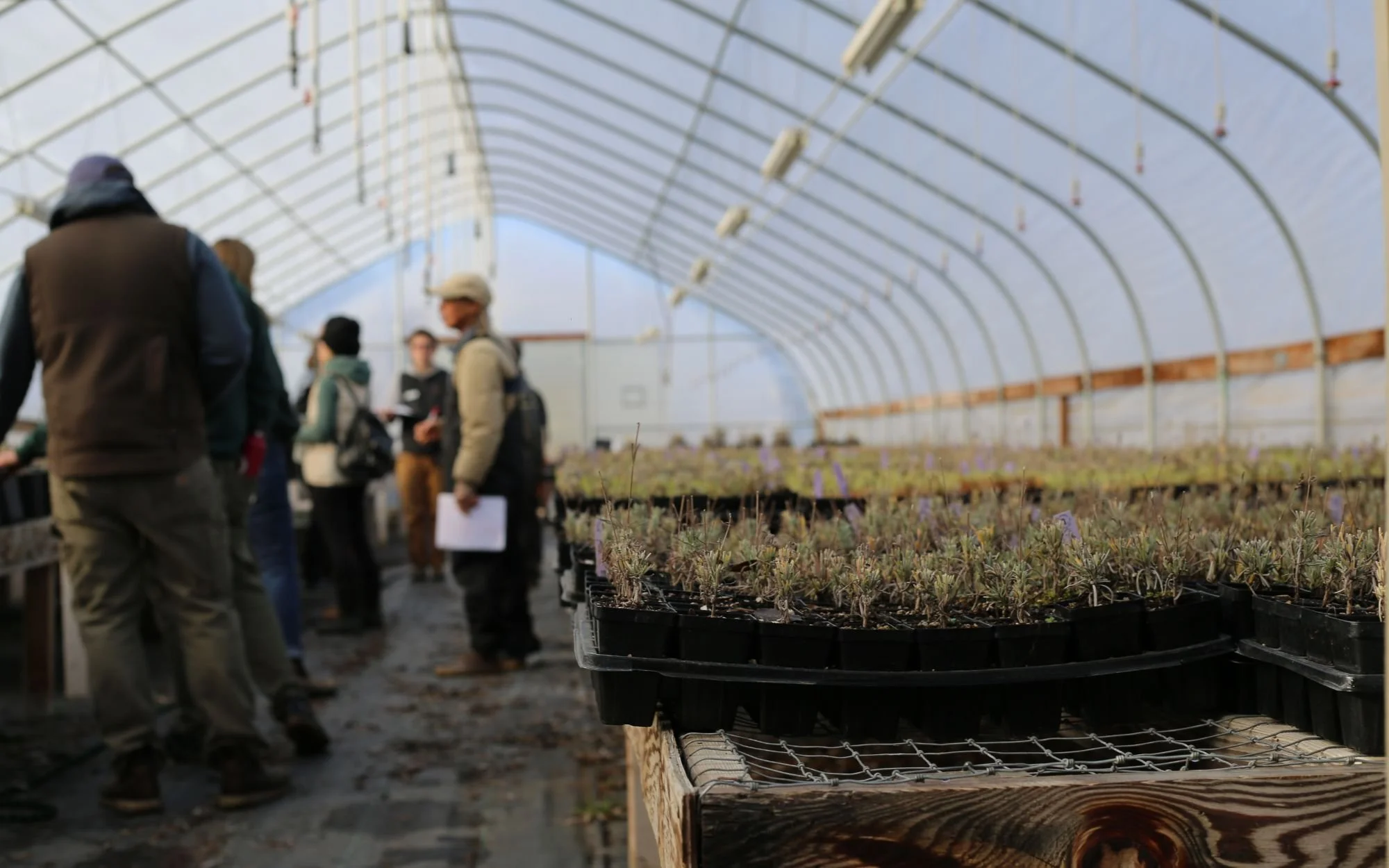
HDFFA is invested in increasing the ability of Central Oregon farmers and ranchers to overcome shocks and strains on their operations by providing financial support for on-farm infrastructure, supplies, and professional development. We offer producers the opportunity to apply for On-Farm Efficiency Grants for up to $3,000 in funds with a 50% match. Funding is provided by a generous private donor.
Los servicios en español están disponibles. Por favor, envíe un correo electrónico a james@hdffa.org.
How it Works
October 9 – November 14, 2025 – application period is open
July 1, 2026 – funds must be spent
July 31st 2026 – grant reports due
Available funds: up to $3,000 per farm
50% match is required (cash and/or in-kind) such as labor or project-related purchases (see more information on match in the “Suggestions” dropdown.)
For grantees, 85% of the total grant amount will be disbursed in mid-January, and the remaining 15% of funds will be disbursed upon completion of the grant reporting requirements. If the project is never started and contact is not maintained throughout the project period, HDFFA reserves the right to request refund of initial funds.
Project Categories and Examples
Applicants need to classify their project in ONE of the following categories, but are not limited to the suggested project examples included below. For example, non-permanent fencing for a movable chicken coop would be classified under Supplies Purchases.
-
Irrigation upgrades
Pond liners & piping
Fencing
High tunnels
Wash/pack houses and upgrades
Meat processing facilities and upgrades
Cold storage
Perennial hedgerows, native species- and pollinator-friendly adaptations
Soil health & fertility systems (ex: Biochar)
Shelter for livestock
Mobile chicken coops
Shade structures
Fire resilient/defensible spaces
Passive heating systems for greenhouses
-
Tractor
Mower
Weeder
Heat lamps
-
On-farm consultant
Business workshops
Technical assistance courses
Soil and/or water testing
Applications for the 2026 On-Farm Efficiency Grant are closed. Check back regularly or refer to the Farmer/Rancher Newsletter for updates.
-
A project narrative (appx. 400-500 words)
A project timeline (appx. 100-200 words)
An accurate budget spreadsheet that details all purchases, including match
Supporting documentation for any purchases over $1000.
We have a printable PDF copy of the application available for download here. Please contact us if you need it in another format (such as Microsoft Word). You will need to access the following links to complete your application:
-
Farm/ranch must be located in Central Oregon (Crook, Deschutes, and Jefferson counties and the Confederated Tribes of Warm Springs) with some exceptions close to these borders.
Farm/ranch must be an operational business for the 2026 growing season.
Farm/ranch must grow, raise, and sell products primarily in Central Oregon.
Farm/ranch is mindful of conserving land and water, maintaining healthy soils, and being responsible and transparent in their use of chemicals, fertilizers, manure, and other farm inputs.
Proof of enrollment in a workshop or course (does not need to be through HDFFA). Examples of applicable workshops include:
Irrigation efficiencies for farmers in drought-prone areas
Calculating your cost of production
Regenerative pasture management.
Must participate in a post-grant webinar (dates TBD) to share results.
-
An external review committee will score each application based on the following criteria:
Does this project result in an on-farm efficiency improvement? (0-3 points)
Does this project have a positive environmental benefit? (0-3 points)
Does this project extend the farmer or rancher’s season or productivity rate of food? (0-3 points)
Does the project describe the long-term impact and future maintenance? (0-3 points)
Is the budget clear, accurate, and financially sound? Must show 50% cost share. (0-3 points)
Priority points will be provided to farmers identifying as:
Traditionally underserved (Black, Indigenous, and People of Color)
LGBTQIA2S+
Beginning (1-10 years of farm/ranch experience)
Women owned
Living with a disability
U.S. veterans
Additional points will also be awarded to HDFFA Partners and applicants who have not received funding from HDFFA in the previous three years.
All points will be tallied, and applicants will be ranked by their total point value from highest to lowest. Funds will be distributed to applicants in the order in which they are ranked until funds are fully distributed. Since the OFEG launched in 2021, this grant has been a competitive funding opportunity. Not all projects will be funded.
-
Upon approval of application, grantees must:
Provide proof of business registration and sign an award agreement.
Grantees will receive 85% of their requested grant amount at this time.
Once all documentation and reporting is complete, the remaining 15% of grant funds will be disbursed after July 31, 2025. Applicants must submit all required documentation before receiving the remaining 15% of grant funds.
Grantees will need to submit documentation for every purchase and/or expense made on behalf of their project, which includes costs covered by the grant and costs incurred as match.
-
Grantees must provide:
Budget showing utilization of grant funds and matching costs.
Receipts for all costs covered by the grant, including matching costs, preferred in a combined PDF and/or folder of images.
A brief paragraph explaining how the grant improved their farm/ranch efficiency (include how many months or percent of food production increase if applicable).
3 pre- and 3 post-project pictures that show the scope of the project. Preferred formats include: JPEG, PNG, HEIC/HEIF, or PDF (separate files). Video format is also acceptable.
Awardees will also be required to participate in a post-grant webinar (date TBD) and will be asked to complete a post-grant survey. Failure to complete any of these tasks will result in the remaining 15% of grant funds being withheld.
Grantees are allowed to make changes in purchase quantities of up to 10% of their total budget without approval by HDFFA. Any changes above 10% need approval from the Agricultural Support Manager (ASM). The ASM will confirm that it is a reasonable adjustment in cost, stays within stated project goals, and aligns with your submitted budget and match amount. The ASM will support you to create a new budget. For example, if your budget is $1,000 you can make changes of up to $100 such as if the purchase of a plastic cover in your project was $100 less than expected and you want to purchase more plastic, this is acceptable. If you want to spend that $100 on materials or supplies not previously in your budget or if you are making changes over the 10% threshold to your budget, you need to get approval from the Agricultural Support Manager.
-
October 9, 2025: Applications Open
November 3rd & 10th 2025: Applicant Office Hours Q&A via Zoom
November 14th: Applications close
November 15 - December 9th: Review Period
December 19th: Award Notices Sent Out
Mid January, 2026 – Funds (85% of grant amount) disbursed
July 1, 2026 – Funds must be fully utilized
Summer – Post-Grant Follow-Up Meeting
July 31st, 2026 – Reporting due and remaining funds disbursed (15% of grant amount)
Fall, 2025 – Post-season Follow-Up Survey
-
HDFFA has designed the On-Farm Efficiency Grant to develop the fundraising skills of Central Oregon producers. Demonstrating match funding will be critical in order to receive most grants, which is done traditionally by securing other grant funding, loans, or demonstrating personal expenditure on the project. For the purposes of OFEG, your hourly wage contributes to the match requirements. We suggest a rate of $30/hour for time spent on construction, design, or other needs to set up your project. Please reach out to ann@hdffa.org for more information about demonstrating match funds.
Transitioning to Organic Partnership Program
In partnership with Oregon Tilth through the Transitioning to Organic Partnership Program, we are helping Central Oregon farmers navigate resources available to help transition to organic, including mentorship, technical assistance, understanding regulations, and resource development. More information to come soon. Read the report developed in the first year of this program, or check out our blog to see the organic and transitioning farm features as they are written.
Growing Together Cohort
HDFFA’s Growing Together Cohort program brings together beginning and early-stage farmers and ranchers in Central Oregon for shared learning, connection, and skill-building. Designed as a supportive, peer-based experience, the cohort offers participants practical education, access to local expertise, and space to learn from one another as they navigate the realities of building agricultural businesses in a high-desert region. Through a series of workshops, discussions, and relationship-building opportunities, the cohort helps producers strengthen their operations, expand their networks, and deepen their connection to the regional food system.
Agricultural Advisory Committee
The Agricultural Advisory Committee is made up of farmers and ranchers who advise the HDFFA Board and staff on the direction and effectiveness of our Agricultural Support programs. Their input helps guide HDFFA initiatives and specific projects – such as educational events, workshops, and grant objectives – to ensure they meet the needs and interests of the Central Oregon farming and ranching community.
Small Farms Coordinator
James Faughnan
james@hdffa.org
(541) 638-0346
Ag Support and Food Access Coordinator
Christine Boyle
christine@hdffa.org
(845) 709-3272
Sign up for HDFFA’s Farmer/Rancher Newsletter here to receive monthly updates on funding, events, and HDFFA opportunities.