
Transitioning to organic in Central Oregon with Tumalo Lavender
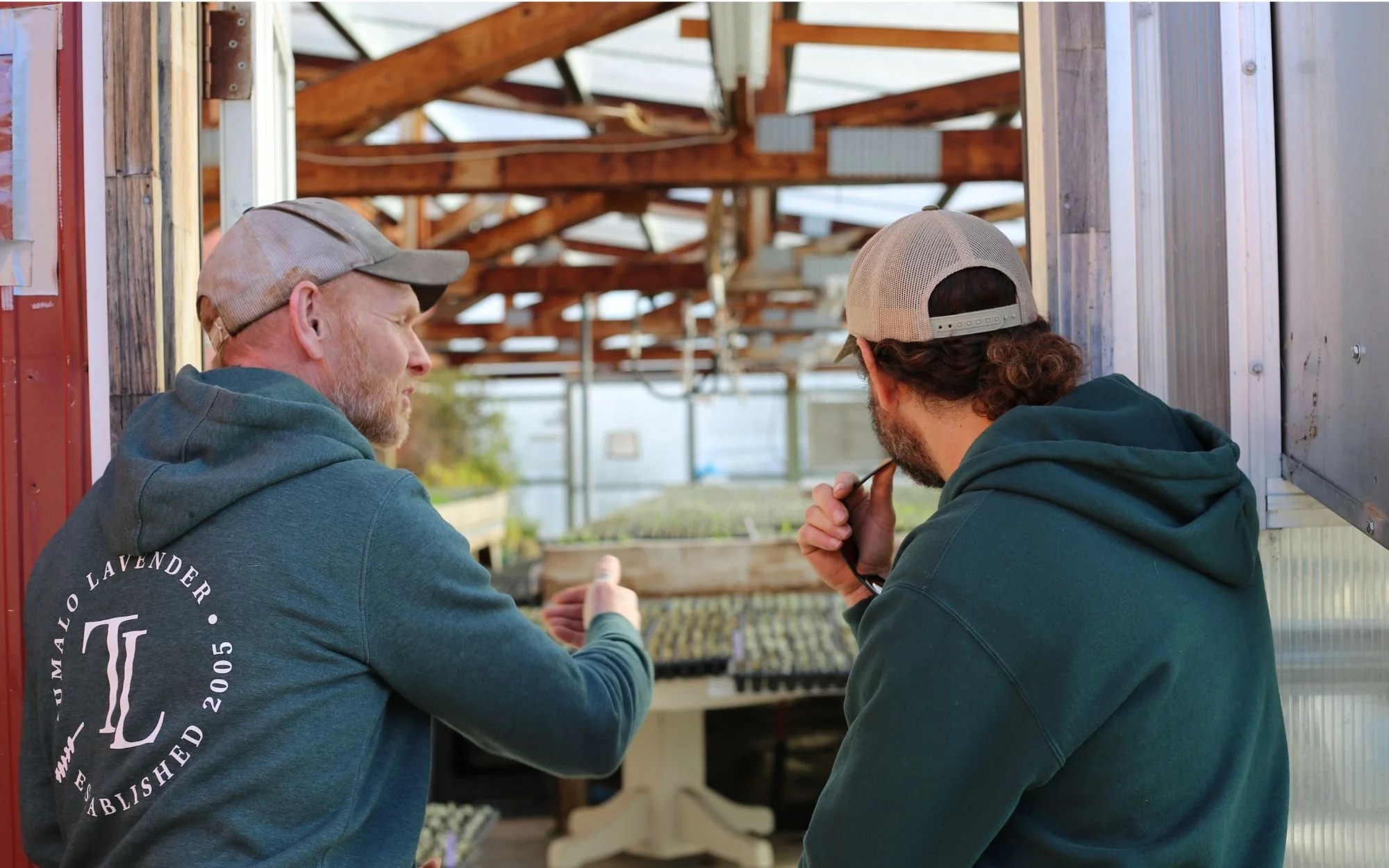
There’s something magical about stepping onto a lavender farm in the winter - the sweet scent lingering in the air, the rows of hibernating purple and green plants, the quiet energy in the fields as they rest. A very different, beautiful scene compared to the abundance and colors of summer, the buzz of pollinators and farmers at their work.
In December, HDFFA, in partnership with Northwest TOPP, and a group of folks from the flower business had the opportunity to visit Tumalo Lavender, a long-standing lavender farm in Central Oregon. Together, we spent the day connecting with the family who runs Tumalo Lavender and learning about the farm’s operations and journey towards organic certification. For HDFFA, this gathering felt especially meaningful - we often connect with food producers across the region, but rarely get the chance to connect intimately with farms dedicated to flowers and medicinal crops. This visit offered a peek behind the scenes of a local farm that’s been blooming for more than two decades.
Tumalo Lavender has been a cornerstone of Central Oregon’s agricultural community since 2005. In 2022, a new family took over the farm, and carried its legacy forward with fresh energy and a renewed vision for the space. The operation is now in the hands of three sisters, Holly, Summer, and Victoria, and their mother, Marilyn, who herself brings more than 25 years of experience in lavender production through her business, Victoria’s Lavender. Tumalo Lavender, at its heart, is a true family-run business. At any point, you will find different generations and members of the family working side by side, all contributing their time, creativity, and care to the growth of their farm. This collective spirit is part of what makes the farm so special. Each person has left their own imprint, and you can feel that on the property too.
After the tour, we had a conversation with Holly, who shared insights into the family’s story and relationship to lavender production, their journey toward organic certification, and the unique challenges and rewards of running a thriving flower operation.
Holly told us that the Tumalo Lavender team grows an incredible 24+ varieties and 10,000+ plants, with 40,000 propagation cuttings completed this past fall alone! Among these is Holly’s favorite type of lavender - Richard Grey, which is known for its silvery foliage and deep purple flowers. This wide range of varieties lets them tailor their growing to specific needs and uses, including testing and adapting new genetics to the high desert environment. Each type produces a different mix of compounds, resulting in diverse sensory and therapeutic qualities that are used in lotions, soaps, essential oils, spices, hydrosols, and other products Tumalo Lavender creates.
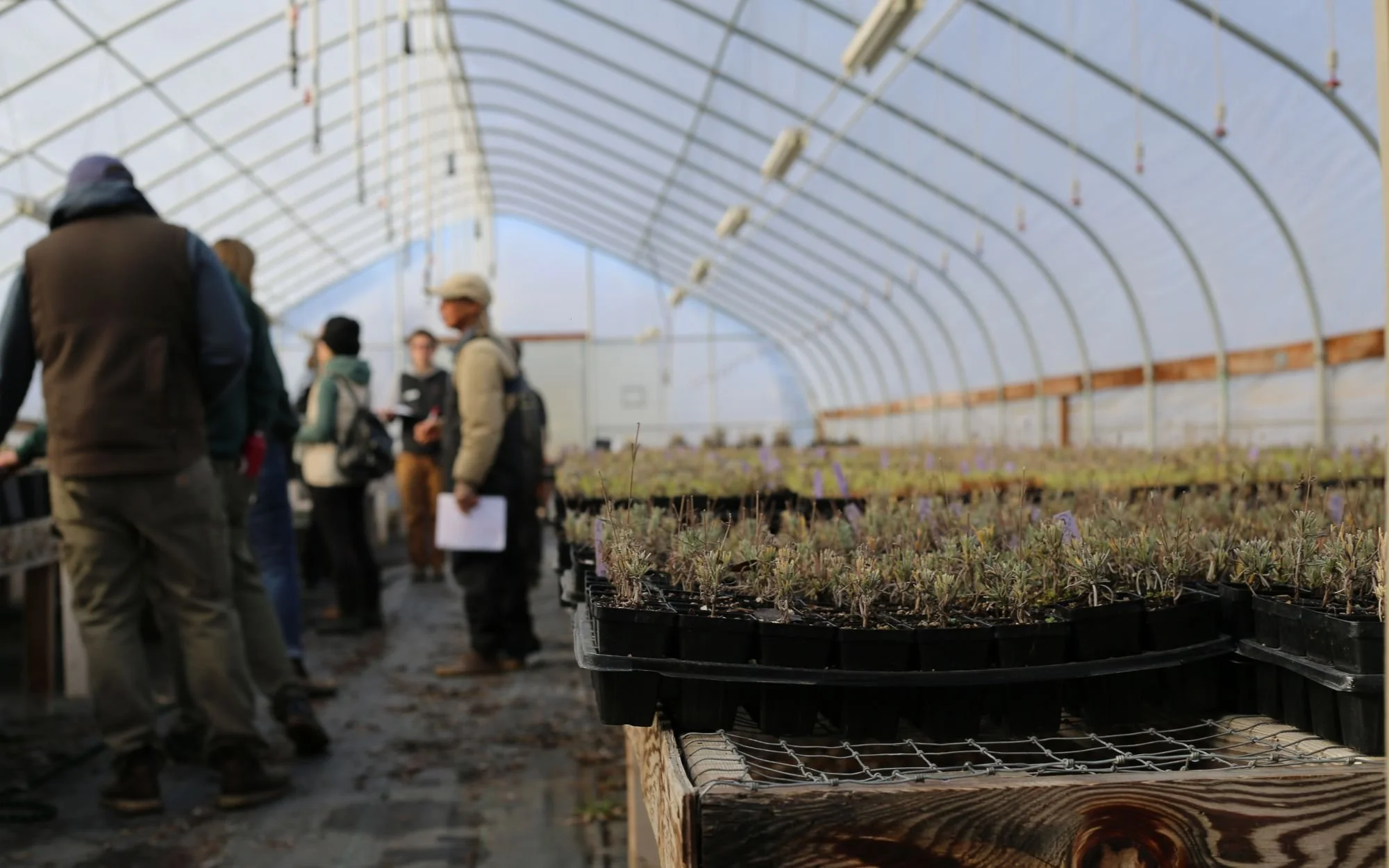
Lavender, Holly told us, is no stranger to the desert. It thrives in an arid climate, and has relatively low water needs. In the world of plant medicine, environmental conditions where the plant is both able to thrive, and also be stressed just enough at the right time, produces more volatile oils. For a lavender farm, this is a very good thing: volatile oils are aromatic plant compounds that capture the plant’s fragrance and therapeutic properties. In lavender’s case, when the plant is stressed prior to harvest (by, for example, Central Oregon’s hot, dry summers), it actually produces more volatile oils, resulting in more potent products from more fragrant plants. Healthy, sustainable farming practices also produce more potent plants - something that’s true for food crops as well - which is part of why Tumalo Lavender is pursuing organic certification for their farm.
Even before initiating the organic certification process, Tumalo Lavender embraced organic practices in both their fieldwork and product development from the start. For Holly and her family, pursuing official organic certification isn’t about changing how they farm, it’s about gaining formal recognition for the sustainable practices they’ve been practicing all along. To move forward with certification, they chose to work with California Certified Organic Farmers (CCOF), one of several certifiers serving this region. With support from a women-in-business grant, they were able to offset application and inspection fees for their first two years, making the certification process more attainable.
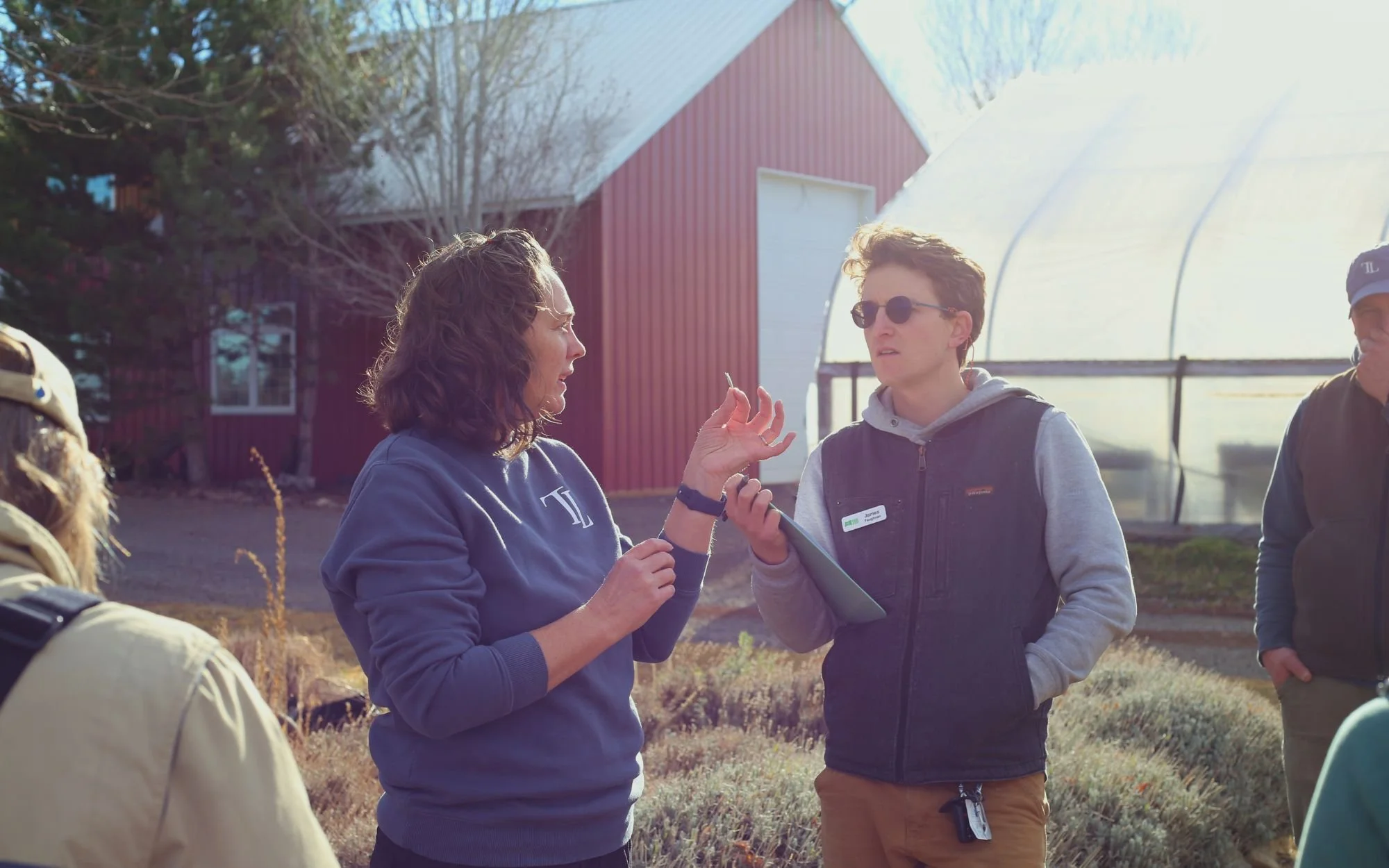
Like many small farms transitioning to organic certification, they discovered the process comes with its challenges, but the benefits far outweigh them. Holly shared that one of the biggest surprises was realizing how much variation exists between different certifiers: each has different paperwork, timelines, and requirements, which can make the process difficult to navigate. She emphasized that doing research to find the certifier that best fits your operation, as well as exploring potential financial assistance through grants, can make the path to certification much smoother. Holly also noted that diligent record-keeping is essential, not only for certification, but also for improving overall farm operations and implementing an effective organic systems plan. Some of her biggest takeaways: do your research, ask questions, connect with others who have gone through the process, and lean on local support networks that exist, such as HDFFA, NW TOPP.
Pursuing organic certification is an exciting step that reflects Tumalo Lavender’s values in sustainability, biodiversity, and tending to the health and wellbeing of their plants, their products, and to the people who make up their community. We are so grateful to have had the opportunity to connect with their wonderful team, and are excited to see how their story unfolds!
Visitors can experience the farm’s beauty during the blooming season, join a u-pick event, or explore their farm-made products in their onsite farm store. The store is open seasonally, and their products can also be found at the Bend Farmers Market, The Bend Store, Wild Petals Provisions, Pomegranate Home and Garden, and Tumalo Farm Stand.
To learn more, plan your visit, or explore their products, visit tumalolavender.com. Supporting local farms like Tumalo Lavender helps sustain Oregon’s agricultural heritage and keeps our regional flower and food communities thriving.
